Asia Pacific


Asia Pacific
 16 October 2026
As Brisbane prepares to host the 2032 Olympic and Paralympic Games, attention is turning to a growing challenge for Queensland’s accommodation sector: where will all the visitors stay?
While demand for hotel rooms is expected to increase significantly in the lead-up to the Games, industry groups have highlighted concerns about a shortage of available accommodation. With new hotel developments slowing and construction costs remaining high, many owners are looking at a different solution: upgrading and extending the life of existing hotel assets.
For South East Queensland HVAC specialist Ascot Air, that shift is already underway.
Refurbishment over replacement
According to Ascot Air General Manager Robert Wolfe, many hotel owners are choosing to invest in existing properties rather than wait for new supply to come online.
“Owners are starting to plan now rather than wait,” Robert says.
“A lot of Brisbane and South East Queensland hotel stock is 15 to 30 years old and the mechanical plant is at or past the end of its life. Operators know 2032 brings a hard deadline and a lot of competition for contractors, so the smart ones are getting scope, budgets and staging sorted early.”
The focus is increasingly on refurbishment projects that improve guest experience, modernise ageing infrastructure and increase operational efficiency, all while keeping rooms available and revenue flowing.
Why HVAC sits at the centre of hotel upgrades
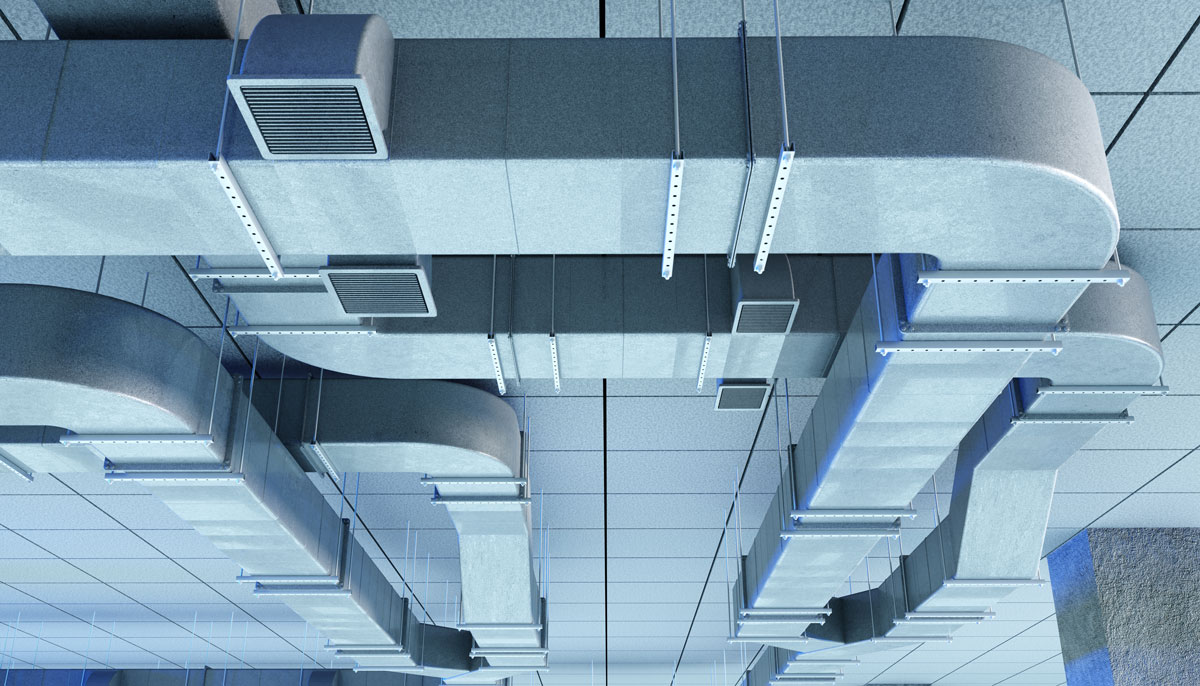
While room finishes and guest amenities often attract attention during refurbishments, HVAC systems are one of the most critical investments hotel owners can make.
“Air conditioning is what guests notice straight away when it is wrong,” Robert explains.
“Noisy fan coils, rooms that won’t hold temperature and poor air quality all end up in reviews.”
Modern HVAC systems can also deliver significant operational benefits through improved energy efficiency, smarter controls and reduced maintenance requirements.
“It is one of the biggest energy costs in a hotel. Replacing tired plant with modern VRF or upgraded chilled water systems, tied into a proper Building Management System, helps reduce operating costs and supports sustainability targets.”
For many hotels, refurbishment presents the ideal opportunity to tackle both guest comfort and long-term asset performance in a single project.
The challenge of upgrading a live hotel
Unlike many commercial projects, hotels rarely have the option of shutting down for major works.
Keeping guests comfortable while replacing critical building infrastructure requires careful planning, staged delivery and close coordination with hotel operations teams.
“Keeping guests comfortable and the hotel trading while the work goes on is the biggest challenge,” says Robert.
“That means working floor by floor or in room blocks, controlling noise and dust, planning shutdowns around occupancy, and making sure plant changeovers don’t leave occupied areas without cooling.”
Early planning is essential. Access routes, riser strategies, temporary services and back-of-house logistics all need to be considered well before work begins.
“Tight coordination with the hotel’s operations team is what makes or breaks these jobs.”
Delivering upgrades while hotels stay open
With more than two decades of experience delivering mechanical services projects across South East Queensland, Ascot Air specialises in working within live environments where business continuity is critical.
The company has delivered HVAC refurbishment projects across a range of hospitality assets, including Elysium Noosa, Vibe Hotels, Novotel and Mercure properties.
Today, Ascot Air is also involved in early contractor engagement on the refurbishment of InterContinental Brisbane, helping ensure design, staging and budget planning are developed before construction begins.
“We get involved early, ideally at the mock-up room or early contractor involvement stage, so the design, staging and budget are realistic before anything goes to tender,” Robert says.
“On site we work to the hotel’s operation, not the other way around.”
This early involvement allows hotel owners to better understand costs, minimise disruption and develop realistic refurbishment programs that keep rooms earning revenue throughout the project.
Planning ahead
As 2032 moves closer, Robert believes hotel owners who start planning now will be best placed to avoid future capacity and cost pressures.
“Get a condition assessment of your plant now, do a mock-up room, and lock in a staging plan and budget before the market gets busy,” he says.
“Contractor capacity and equipment lead times will tighten as 2032 gets closer, and owners who leave it late will pay more and have less choice.”
For Queensland’s hotel sector, the road to Brisbane 2032 is already underway. While new developments will play a role, refurbishment is likely to be a major part of the solution, helping hotels modernise their assets, improve guest experiences and maximise room availability when demand peaks.
And for HVAC systems, the message is simple: start early.
