Asia Pacific


Asia Pacific
 18 August 2026
Most organisations have established lifecycle plans for physical assets such as roofs, lifts, chillers and electrical infrastructure.
But what about the technology assets that modern buildings rely on every day?
Networks, WiFi, CCTV, access control, audiovisual systems, operational technology and smart building platforms have become essential to business operations. Yet many organisations still manage these assets reactively, only addressing them when systems fail, support contracts expire or cybersecurity risks emerge.
Technology Doesn’t Age Like Traditional Assets
Unlike physical infrastructure, technology assets are influenced by software updates, vendor support cycles, cybersecurity requirements and rapidly changing business needs.
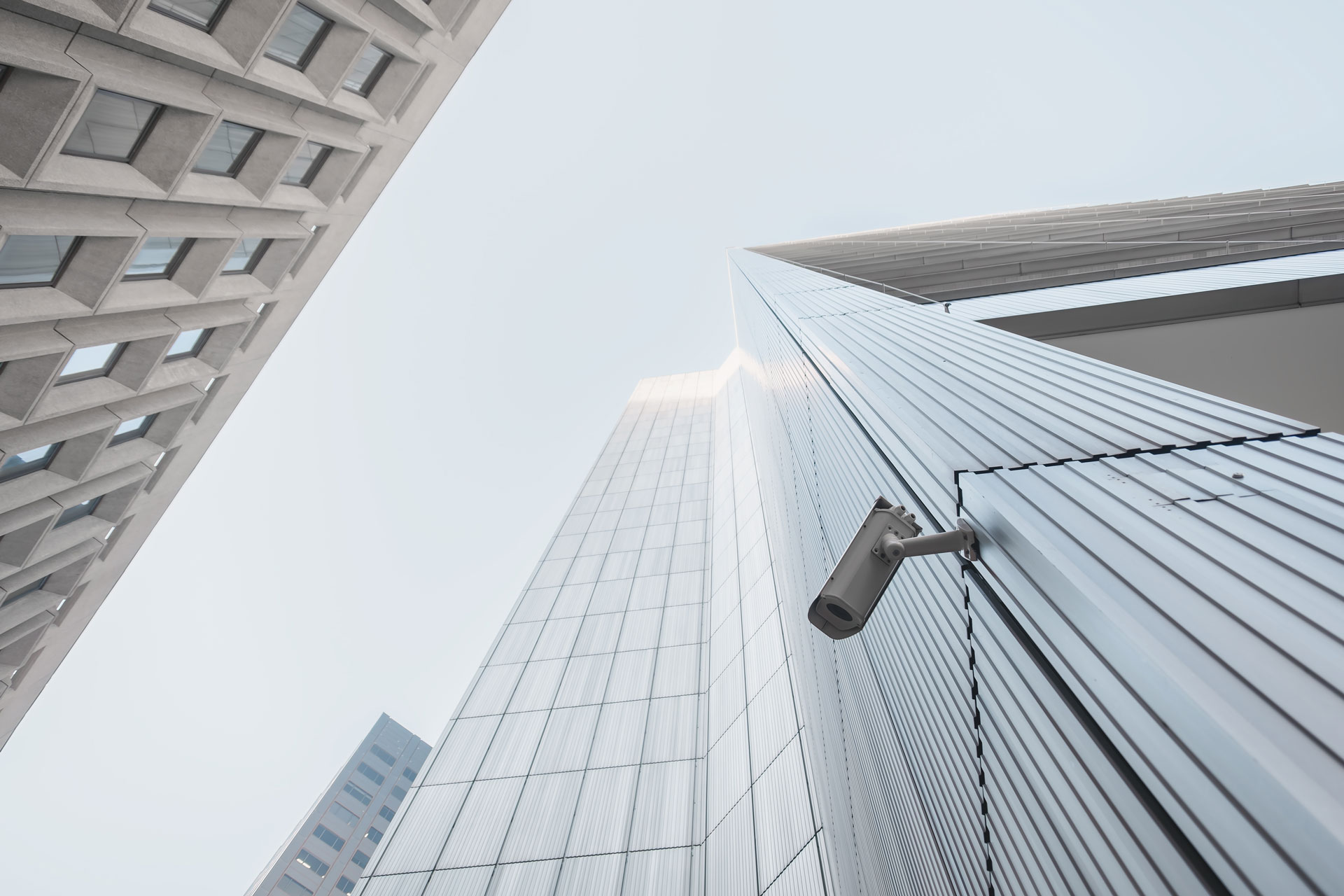
A CCTV camera or network switch may still be functioning after ten years, but if the manufacturer no longer provides support or security updates, the asset may already be approaching the end of its useful life.
The question is no longer:
“Does the asset still work?”
It’s: “Can the asset continue to support our operational and security requirements?”
Why Lifecycle Planning Matters
Without a structured technology lifecycle strategy, organisations often face:
Technology Asset Lifecycle Planning provides visibility of future risks, renewal requirements and investment priorities before they become operational problems.
By understanding asset condition, vendor roadmaps, supportability and future business needs, organisations can make smarter investment decisions and reduce risk across their portfolios.
Planning for Smarter Buildings
As buildings become increasingly connected, digital infrastructure is now as critical as traditional building systems.
Technology assets are no longer standalone IT investments. They are core operational assets that require the same level of planning, governance and lifecycle management as any other infrastructure investment.
Organisations that proactively manage technology lifecycles are better positioned to improve resilience, optimise capital expenditure and support long-term operational performance.
How Torque IP Can Help
Torque IP helps organisations understand, manage and optimise the lifecycle of digital infrastructure and technology assets.
Our services include:
By combining expertise in digital infrastructure, operational technology, smart buildings and asset management, we help organisations make informed decisions that reduce risk, improve investment planning and maximise the value of their technology investments.
Because effective lifecycle planning isn’t just about replacing technology.
It’s about ensuring critical digital assets continue to support the performance, security and future of the built environment.
